Veterinary TTA System: Understanding TTA Implants for Canine Orthopedic Surgery
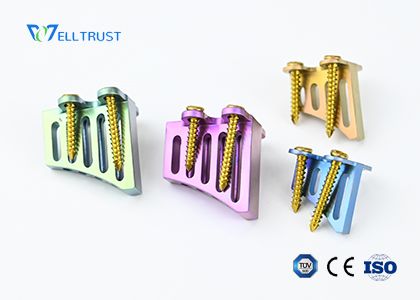
In veterinary orthopedic surgery, tibial tuberosity advancement (TTA) is one of the surgical techniques used to address cranial cruciate ligament insufficiency in dogs. A Veterinary TTA System combines specially designed implants and surgical instruments to support the planned advancement and stabilization of the tibial tuberosity. Understanding the working principle, implant configuration and available sizes can help veterinary distributors and professional users evaluate different TTA products.
What Is Tibial Tuberosity Advancement?
Tibial Tuberosity Advancement, commonly abbreviated as TTA, is an orthopedic procedure that changes the relationship between the tibial tuberosity, patellar tendon and tibial plateau. Instead of replacing the damaged cranial cruciate ligament directly, the procedure changes the biomechanics of the stifle joint during weight-bearing.
During TTA, a controlled osteotomy is made along the tibial crest. The tibial tuberosity is then advanced cranially according to the surgical plan and stabilized with an appropriate implant configuration. The objective is to modify the direction of forces acting on the stifle during weight bearing.
How Does a Veterinary TTA System Work?
The working principle of a Veterinary TTA System involves several coordinated steps. First, the veterinary surgeon prepares the tibial tuberosity through the planned osteotomy. The tibial tuberosity is then advanced to the required position. A TTA implant and associated fixation components are used to maintain the planned position while the bone heals.
The size of the implant is an important part of the surgical planning process. Different animals have different anatomical dimensions, so a single implant size cannot necessarily accommodate every case. Multiple specifications allow the veterinary professional to select a configuration appropriate for the individual surgical plan.
Key Components of a TTA System
A complete TTA System may contain several types of implants and surgical instruments. The exact configuration depends on the TTA technique and manufacturer.
TTA Implant: The implant is positioned at the tibial tuberosity and forms part of the fixation construct. Its dimensions should correspond to the planned advancement and the anatomical requirements of the animal.
Fixation Components: Screws and other fixation components may be used together with the implant to maintain the planned position. Compatibility between the implant and fixation components is important when assembling the system.
Specialized Surgical Instruments: TTA procedures require dedicated instruments for bone preparation, implant positioning and fixation. Depending on the system, these instruments may include cutting, drilling, positioning and fixation tools.
Available TTA Implant Sizes
The Veterinary TTA System shown in this product range includes multiple implant specifications. The available sizes are:
- 3 × 10 mm
- 3 × 13 mm
- 4.5 × 12 mm
- 4.5 × 15 mm
- 6.0 × 16 mm
- 6.0 × 19 mm
- 7.5 × 16 mm
- 7.5 × 19 mm
The range covers different implant dimensions for different surgical configurations. The appropriate size should be determined according to the animal's anatomy, preoperative assessment and the surgical technique being used. Implant selection should always be performed by a qualified veterinary professional.
Why Multiple TTA Implant Sizes Matter
Veterinary orthopedic procedures may involve animals with substantially different anatomical dimensions. Having several implant sizes available allows a product system to accommodate different surgical requirements rather than relying on a single standardized dimension.
For veterinary distributors, a range of TTA implants can also make inventory planning more flexible. The available sizes can be organized according to product specifications, while associated instruments and fixation components can be matched to the corresponding implant configuration.
Veterinary TTA System from Well Trust
Well Trust supplies orthopedic surgical instruments and related products for medical and veterinary applications. Its veterinary orthopedic product range includes TTA-related implants and instruments designed for professional applications.
The Well Trust Veterinary TTA System is available in multiple implant specifications, including 3 × 10 mm, 3 × 13 mm, 4.5 × 12 mm, 4.5 × 15 mm, 6.0 × 16 mm, 6.0 × 19 mm, 7.5 × 16 mm and 7.5 × 19 mm. This range provides different dimensional options for veterinary orthopedic product configurations.
For veterinary distributors and medical device companies, product specifications, implant dimensions and associated instruments are important considerations when developing a TTA product portfolio. Well Trust can provide product information for customers who need to evaluate the available TTA configurations and related orthopedic instruments.
TTA System and Veterinary Orthopedic Applications
The TTA technique is primarily discussed in relation to the canine stifle and cranial cruciate ligament disease. However, the selection of a surgical technique depends on the individual animal, anatomical characteristics, clinical assessment and the experience of the veterinary surgeon.
A Veterinary TTA System should therefore be considered as part of an overall surgical workflow rather than as an isolated implant. The implant dimensions, fixation components and supporting instruments need to work together according to the selected surgical technique.
Frequently Asked Questions
What does TTA stand for in veterinary surgery?
TTA stands for Tibial Tuberosity Advancement. It is an orthopedic surgical technique that advances the tibial tuberosity to change the biomechanics of the stifle joint.
What is a Veterinary TTA System?
A Veterinary TTA System is a combination of implants and supporting surgical instruments used in tibial tuberosity advancement procedures. The exact components depend on the specific system and surgical technique.
What are TTA implants used for?
TTA implants are used as part of the fixation construct following advancement of the tibial tuberosity. They help maintain the planned position during the bone-healing process.
What sizes are available in this TTA System?
The available implant specifications are 3 × 10 mm, 3 × 13 mm, 4.5 × 12 mm, 4.5 × 15 mm, 6.0 × 16 mm, 6.0 × 19 mm, 7.5 × 16 mm and 7.5 × 19 mm.
How is the appropriate TTA implant size selected?
Implant selection depends on the animal's anatomy, surgical planning and the specific TTA technique. The appropriate size should be determined by a qualified veterinary professional.
Is TTA only used in dogs?
TTA is particularly associated with veterinary orthopedic treatment of canine cranial cruciate ligament disease. The suitability of the procedure for an individual animal should be evaluated by a veterinary surgeon based on the clinical case.
Conclusion
A Veterinary TTA System provides a structured combination of implants and surgical components for tibial tuberosity advancement procedures. The principle of TTA is based on modifying stifle biomechanics through advancement and stabilization of the tibial tuberosity. Because animal anatomy and surgical requirements vary, different implant dimensions can be useful for different cases.
With eight available implant specifications ranging from 3 × 10 mm to 7.5 × 19 mm, the Well Trust TTA product range provides multiple dimensional options for veterinary orthopedic applications. For distributors and professional users, reviewing the implant specifications and corresponding surgical components can help determine the appropriate product configuration for their requirements.